Paint Protection Film: Coverage, Fit and Care
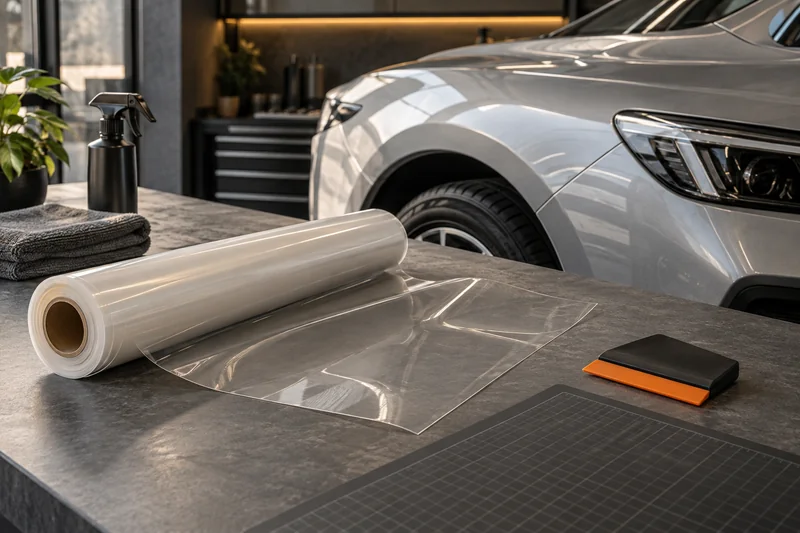
Your coverage plan determines which format to buy: a small strip for a loading ledge, a vehicle-specific partial front kit, or an installer-made pattern for complete panels. Paint protection film is adhesive material for eligible vehicle surfaces. Each format needs its own dimensions, preparation and fitting skills.
Choose the coverage and exact film series before comparing brands. A clear roll, a self-healing topcoat and a gloss surface protector are not interchangeable descriptions. This guide uses current manufacturer documents and product options; we have not installed these films, tested scratch resistance, or measured their service life on a vehicle.
Top 5 best paint protection film choices by use case
These products are ordered for the stated use cases. The list is documentary: it does not report measured performance or rank the whole market. Check the exact formula, surface and received directions before choosing.
How this shortlist is ordered
Order for this page: named installer-supplied film series before vehicle-cut or bulk retail film.
How we order these choices- XPEL ULTIMATE PLUSBest for a named clear-film series through an installer
- SunTek Reaction Paint Protection FilmBest for a professionally installed film with an integrated topcoat
- 3M Scotchgard Paint Protection Film Pro Series 200Best for planning professionally installed paint-protection film
- Install Proz Partial Front End Kit for CarsBest for a documented partial hood, fender and mirror kit
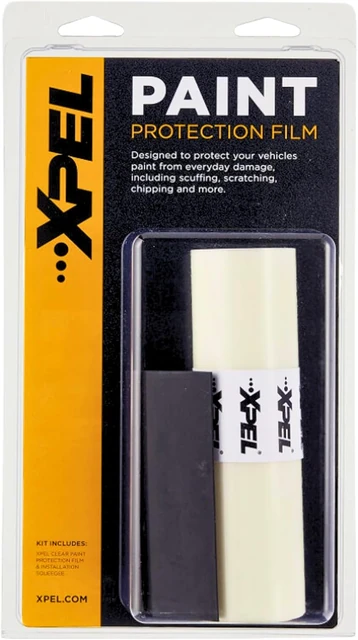
- XPEL R4003-P Clear Paint Protection Film, 6 in × 84 in rollBest for A measured local coverage area that fits a narrow cut-to-fit roll
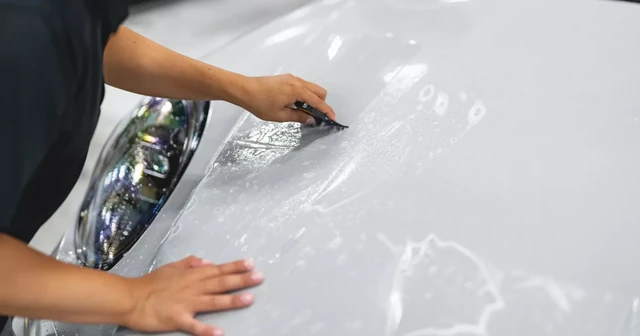
01Documented task fit
Best for a named clear-film series through an installer
XPEL ULTIMATE PLUS
XPEL identifies ULTIMATE PLUS as a clear paint-protection film series. A named series lets the installer confirm the intended panels and that series’ care requirements, instead of relying on a generic roll description.
Why this position: First as a named clear-film series to discuss with an installer. Defined series and covered panels are a stronger starting identity than an unnamed retail roll.
Check before choosing: Do not identify an old XPEL retail roll as ULTIMATE PLUS without proof. Film still has coverage and damage limits. Obtain the actual series and aftercare instructions; another XPEL film’s waiting period is not interchangeable.
02Documented task fit
Best for a professionally installed film with an integrated topcoat
SunTek Reaction Paint Protection Film
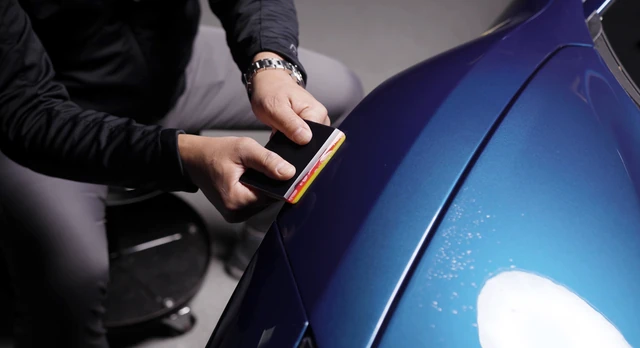
SunTek identifies Reaction as clear PPF with a hydrophobic topcoat, installed wet on selected paint areas or the whole vehicle. It is a film choice rather than a liquid ceramic substitute.
Why this position: Second as another professionally installed film, with an identified integrated topcoat. It stays among installer routes because coverage, paint and warranty terms need dealer confirmation.
Check before choosing: Have the installer confirm eligible paint and coverage. Heat-assisted surface-scratch healing is not repair of a deep cut or a guarantee against stone damage. The limited warranty has restrictions; request dealer terms and exact aftercare.
03Documented task fit
Best for planning professionally installed paint-protection film
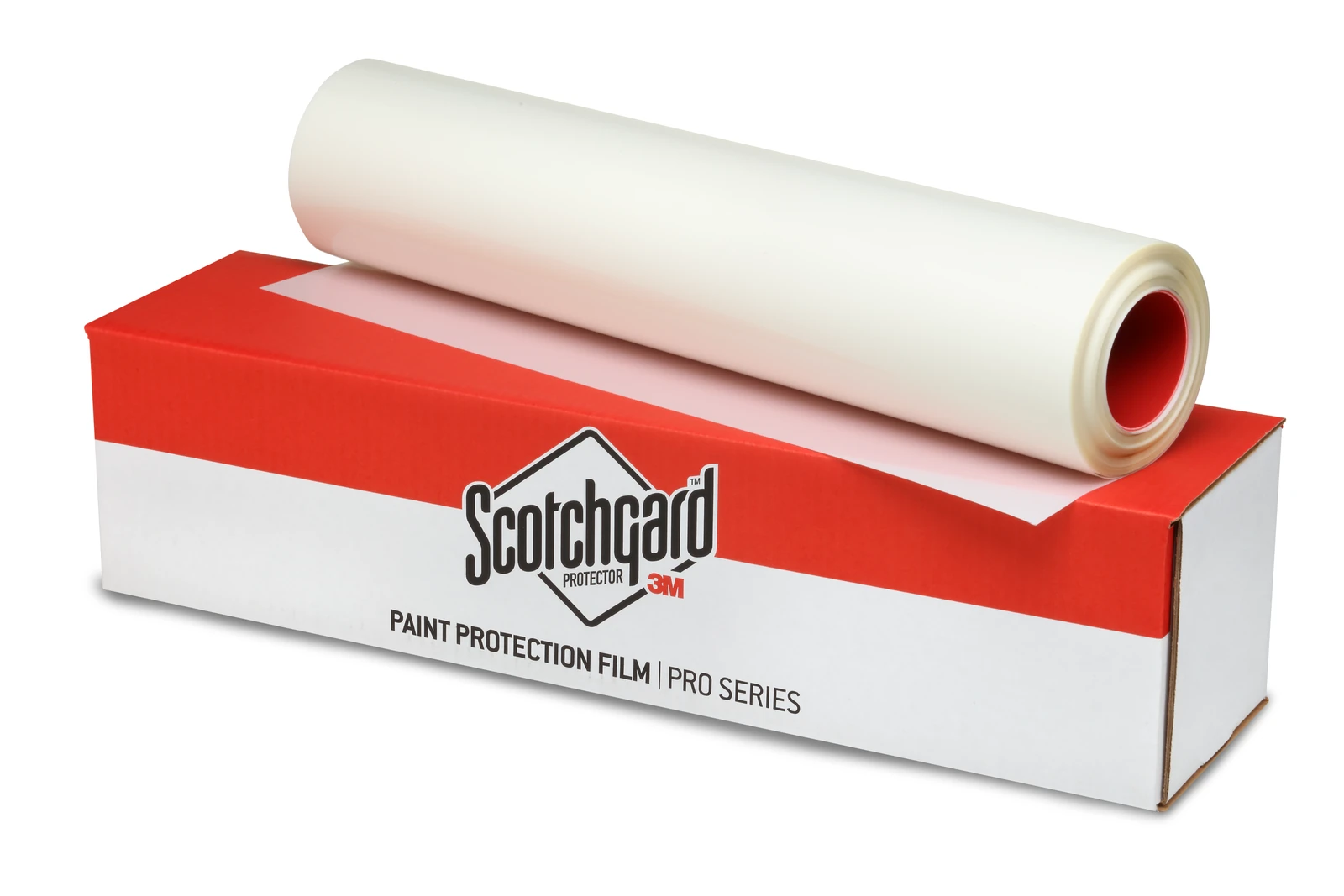
3M Scotchgard Paint Protection Film Pro Series 200
3M lists Pro Series 200 in gloss and matte finishes and directs vehicle owners to authorized installers.
Why this position: Third for the named 3M series through authorized installers. Gloss or matte selection and professional installation remain part of this route, rather than a loose-roll guarantee.
Check before choosing: Professional installation is part of this route. A loose film listing does not establish a vehicle-specific cut kit, installer service or warranty eligibility.

04Documented task fit
Best for a documented partial hood, fender and mirror kit
Install Proz Partial Front End Kit for Cars
The maker identifies SKU partialfrontend.car.nobumper as a vehicle-cut kit for cars made after 2019. The stated hood coverage varies by vehicle and is partial, with fenders and mirrors also included.
Why this position: Fourth for a vehicle-specific partial-front kit after exact vehicle matching. Partial coverage, excluded panels and custom-order terms add checks that a series discussion alone cannot settle.
Check before choosing: This kit excludes the bumper, grille and lights. Confirm year, make, model and submodel before ordering; the maker says custom kits are non-refundable. A custom cut does not remove the skill or finish-eligibility checks.
05Documented task fit
Best for A measured local coverage area that fits a narrow cut-to-fit roll
XPEL R4003-P Clear Paint Protection Film, 6 in × 84 in roll
XPEL’s 6-inch shop selector identifies R4003-P when the 84-inch length is selected, matching the named Amazon US roll. The roll supplies bulk film for a measured area. Check a paper template against the usable width and length before opening the adhesive film.
Why this position: Fifth for a measured small area that fits a narrow bulk roll. It follows installed and vehicle-cut routes because cutting, actual series identity and installation permission remain the buyer's tasks.
Check before choosing: It is not a vehicle-specific precut or full-front kit. These roll sources do not establish a ULTIMATE PLUS series or warranty alias. Obtain the supplied film’s surface permission, installation directions and aftercare before cutting; check vehicle sensor restrictions.
Start with the paint and the coverage
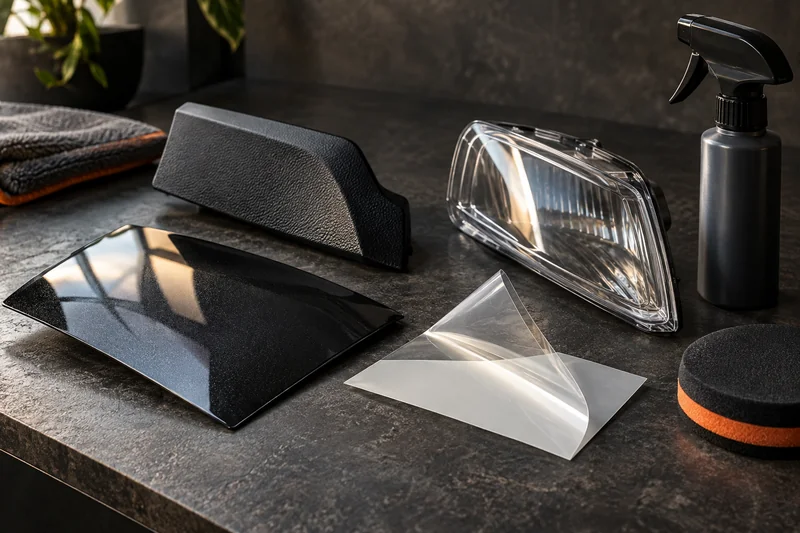
Write down the panels or contact areas you want protected. For front-end coverage, distinguish the hood’s leading edge from a full hood, then list the bumper, fenders and mirrors separately. For everyday loading or handling, consider the trunk ledge, door edges or handle cups. Ask for the actual coverage drawing so that “front kit” does not leave an important panel to assumption.
Check the substrate as well. Factory clear-coated paint, a repainted panel, matte paint, an existing wrap and exposed metal need their own permissions. Tell the installer about paint repairs, lifting clearcoat and existing coatings before ordering a pattern or starting surface preparation. Approval for a gloss painted hood is not blanket approval for the headlights, glass, trim or another film underneath.
The 3M installation bulletin, Revision E, September 2026, addresses Pro Series 200 and Series 150, 100 and 50, with regional availability limits. It specifies wet application on OEM painted surfaces, calls for adhesive-bond checks on powder-coated or water-based paint, and does not recommend or warrant these films on stainless steel. Use those conditions for the named series; they do not identify an unlabelled reseller cut as the same film.
For appearance, compare a sample on the intended finish with your installer. Clear gloss and matte film are different choices. Lamin-x’s current 6-inch sheet selector offers clear gloss or matte, while 3M’s Pro Series 200 page also distinguishes the finishes. Neither listing establishes that a legacy small roll will have the same sheen, texture or formulation.
Check the vehicle’s sensor areas before agreeing on bumper coverage. Ford’s Focus owner-manual section on blind-spot sensor locations places those sensors behind both sides of the rear bumper and warns against covering them with stickers, repair compound or other objects. It also warns that blocked sensors can affect system performance. Ford says the manual supplied with your own vehicle is the primary reference; this example does not approve a particular film or pattern.
Ask the installer to check your vehicle’s manual and the proposed pattern around hidden sensors, cameras and required openings. If the vehicle instructions and coverage proposal disagree, resolve the permitted coverage before installation. A film’s paint-adhesion specification does not establish that the vehicle’s driver-assistance systems will work through it.
Choose a format that fits the job
| Format | Useful decision | Check first |
|---|---|---|
| Vehicle-specific precut kit | A defined set of pieces for a particular vehicle. | Match year, make, model and submodel; read the drawing and excluded panels. |
| Universal hood and fender strips | Material trimmed to the selected coverage. | Measure both the hood and the fender height; confirm the finished dimensions and trimming method. |
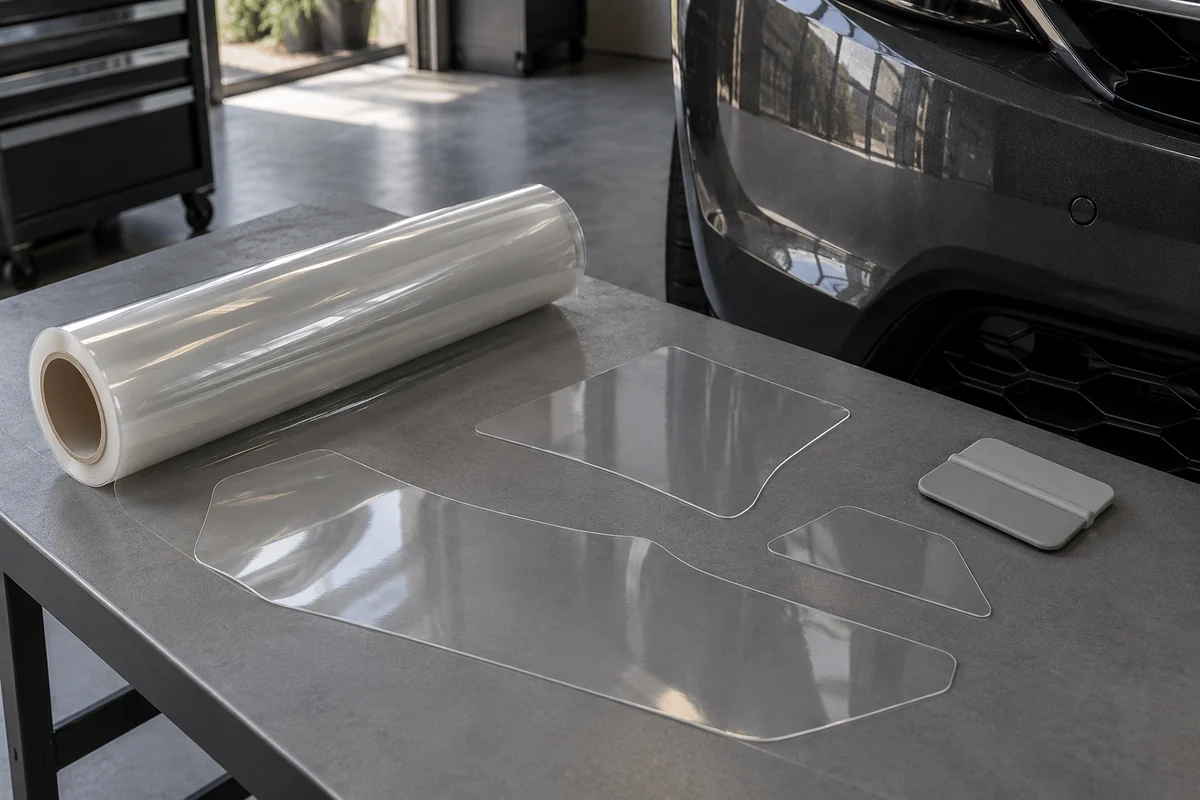
| Small bulk roll or sheet | A measured local area rather than an assumed full-panel pattern. | Check usable width and length against a paper template, film series and surface permission. |
| Installer-cut full-panel coverage | A pattern and edge treatment agreed with a qualified installer. | Specify the exact film, panel preparation, visible seams, edge handling and aftercare. |
| Temporary track or transport film | Short-term surface protection with its own application and removal rules. | Verify exposure and removal limits; do not treat it as permanent self-healing PPF. |
A paper template helps expose a width problem before adhesive film is opened. Include the curve and the coverage boundary, rather than measuring only the straight-line gap. If a narrow strip cannot reach the intended boundary, choose a different coverage plan instead of stretching it beyond its instructions.
Current film identities and coverage
Install Proz: precut and universal are different kits
The current partial front-end car kit, SKU partialfrontend.car.nobumper, is computer-cut for vehicles made after 2019. The maker asks for the year, make, model and submodel. It lists hood pieces between 18 and 20 inches, depending on the vehicle, and excludes the bumper, grille, headlights, fog lights and bumper accent pieces. Do not order it on the assumption that “front end” means all those parts.
The separate universal hood and fender kit, SKU hood.fender.kit-1, consists of strips that need trimming. Its page asks you to measure the hood and the distance from the wheel well to the top of the side fender. It gives a 24-hour wait before a car wash for that kit. This is not a washing clock for every Install Proz item, or proof that an older bumper-inclusive kit has the same contents.
XPEL: check the roll’s actual series
XPEL’s current 6-inch product selector identifies R4002-P with the 60-inch length selected and R4003-P with the 84-inch length selected. These are different lengths. The short shop descriptions do not establish that every old narrow-roll listing is ULTIMATE PLUS, or supply a full installation and self-healing specification for those legacy packages.
For a named ULTIMATE PLUS installation, consult the ULTIMATE PLUS technical sheet and the care instructions for the exact variant supplied. The sheet distinguishes the clearcoat, polyurethane film, adhesive and disposable release liner. Its nominal 7.60-mil thickness, with a stated tolerance, excludes the liner. When comparing a different roll, ask whether its quoted thickness uses the same convention; thickness alone does not settle fit, finish or damage resistance.
3M: a brand label does not identify the series
Ask for the film’s series and the applicable installation bulletin, especially when a seller supplies a short converted roll rather than the manufacturer’s original full roll. A 3M logo on a liner or an old “Scotchgard” title is insufficient to assign Pro Series 200 directions, a particular warranty, or a self-healing feature to the received cut.
For the four series named in Revision E, 3M specifies environmental and vehicle application temperatures of 60–85°F (16–30°C), with 70–79°F (21–26°C) recommended as optimal. These are working conditions, not a promised climate range for the installed film. Arrange suitable space and preparation with the installer before the material is applied.
Lamin-x and VViViD: check the current version
Lamin-x’s current 6-PPF page describes adhesive-backed paint-protection sheets and a gloss-or-matte choice. It does not by itself confirm the tools, self-healing behavior or current packaging of an older 1-648-PPF offer. Ask for the directions supplied with the exact sheet rather than filling in the gaps from another brand.
VViViD’s current Barricade page describes a named polymer-blend film. That current identity does not establish the material or adhesive system in an older, unversioned clear-vinyl listing. Before using a wrap tutorial, confirm the film name and whether its instructions call for wet or dry installation.
Preparation and fitting: decide what you can safely do
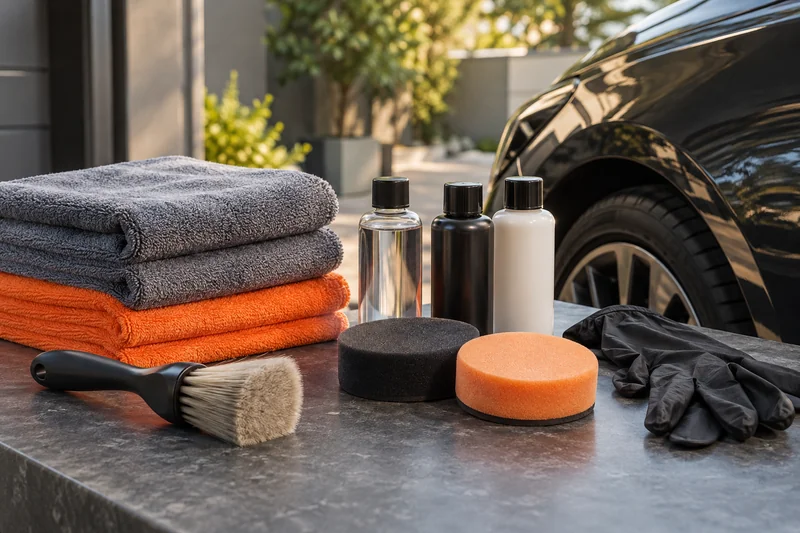
Choose a DIY route only when you have the exact directions, an eligible surface, suitable workspace and the skills needed for that pattern. Precut pieces still need alignment and control of contamination, tension and edges. A tool included in a kit does not make a curved bumper a simple flat-sheet job. For extensive coverage, uncertain paint condition or complex curves, get a professional assessment before cutting.
Use the preparation instructions for the film you have. Revision E tells installers to have an existing ceramic coating removed by an authorized paint-correction specialist or automotive detailer, then follow its residue-removal, cleaning, decontamination and final-inspection sequence. It is not permission to use any solvent or clay on every paint system or existing wrap.
Slip solution helps positioning; tack solution serves a different adhesive-control task. In Revision E, the slip ratios are series-specific starting points and the solution must be made fresh daily. Most installers use distilled water for tack; its alcohol-based alternatives are scoped to difficult recessed areas and distinguish the alcohol concentration. Do not turn “use plenty of soapy water” from a reader reply into a recipe for unidentified film.
Keep the manufacturer’s complete cutting, heating and edge-setting instructions with the installation plan. Those settings are not universal heat-gun or knife advice. Read the labels and safety data sheets for any chemicals actually used, and follow the tool maker’s safe-operation instructions. A chemical SDS describes hazards; it does not approve that chemical on your particular finish.
Washing and care depend on the exact film
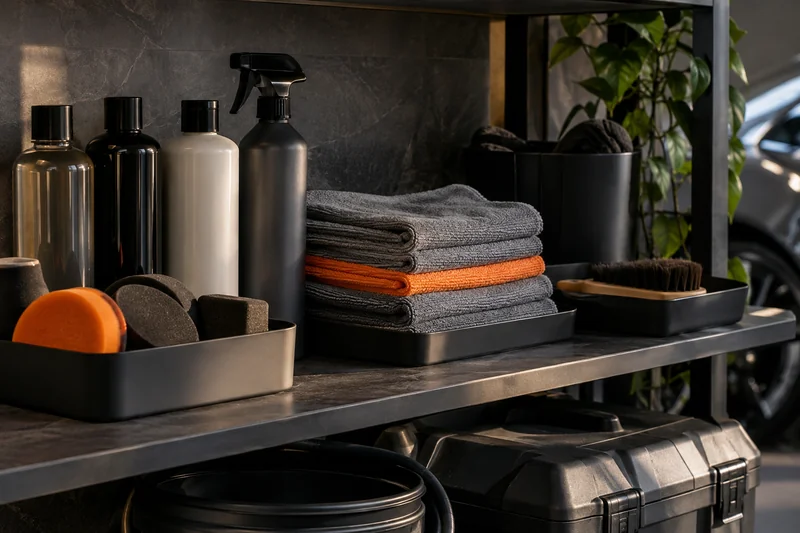
Record the installation date and the permitted washing date before collecting the vehicle. The same brand can publish different instructions for different series, and a drive-home time is not automatically permission for washing, waxing or pressure washing.
For the series in Revision E, 3M recommends at least 72 hours before washing. Its current general US PPF support FAQ instead says one week before washing or waxing. Obtain the instruction that applies to the exact series and installation from the installer or 3M; do not choose the shorter wait from the brand name alone. The universal Install Proz kit’s 24-hour car-wash wording is a separate instruction.
XPEL’s ULTIMATE PLUS care section gives a 48-hour wait before washing and warns against high-pressure water near film edges. The COLOR PPF section gives 72 hours and different care limits. Confirm the waiting period for your film series instead of using 48 hours as a rule for every clear film.
After washing, inspect the perimeter and any seams for lifting. For the 3M series covered by Revision E, return to the installer if lifting or peeling occurs, remove bird residue, tar and bugs promptly, and avoid abrasive pads or brushes and strong alkaline, acidic or alcoholic cleaners. Do not import another film’s solvent or clay permission into that care plan. Have damaged or loose film assessed rather than forcing water beneath an edge.
Scratches, gloss, cost and removal
Does self-healing film repair heavy scratches?
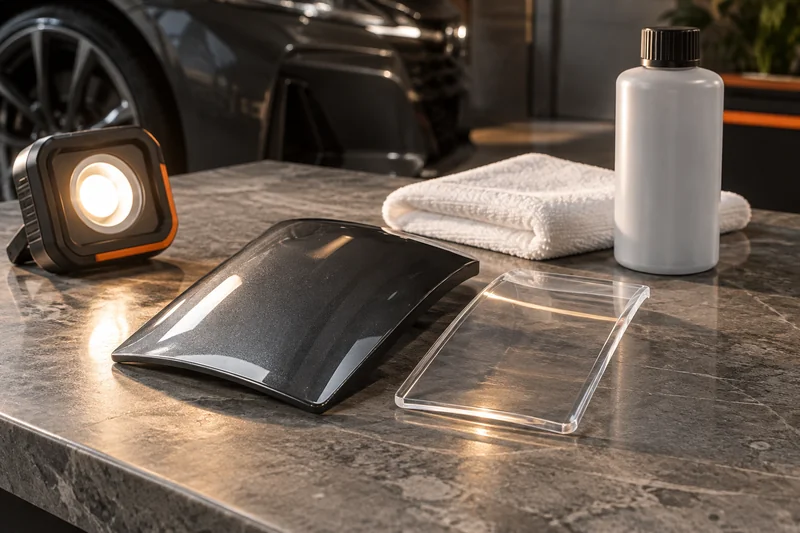
Readers asked about Lamin-x under heavy scratching and about testing the healing claims. Manufacturer descriptions of self-healing generally concern minor marks in a specified film’s surface or topcoat. They do not demonstrate that a deep cut, missing film, damaged paint or rock-impact dent will repair itself. We have no comparative scratch test that ranks these old rolls for off-roading, so use the exact film specification and an installer’s assessment of the expected exposure.
Will a gloss film improve a black car’s appearance?
Check the film’s intended application and a finish sample first. “Gloss surface protection” is not enough to identify automotive exterior PPF: XPEL also publishes an RX8 GLOSS technical sheet targeting monitors and personal devices. That does not identify the old gloss-film offer as RX8, or approve it for a black painted hood. Choose the actual automotive series and agree on the desired finish.
Why not choose the cheapest roll?
Compare the same coverage and work scope. A smaller roll, a custom precut kit and a professional full-panel job include different material quantities and labor. Ask whether the quote includes paint assessment, preparation, the specified pattern, edge treatment, aftercare and warranty documentation. A low price or a longer advertised warranty is not evidence of better stone-impact resistance.
How long will it last, and can it be removed safely?
There is no single verified lifespan for every item previously listed here. 3M’s bulletin identifies substrate condition, preparation, surface texture, application and environment as factors affecting performance life. Keep the applicable warranty terms separate from a lifespan prediction; ask which film, purchaser, installer and failures the warranty covers.
3M and XPEL recommend professional removal in their respective guidance, and their removal methods differ. Neither recommendation is a damage-free promise for arbitrary old, repainted or failing paint. Have the film and paint assessed before removal. Similar-looking clear films can require different cutting, pulling-angle and solvent instructions; use the guidance for the actual product.
Before you place the order
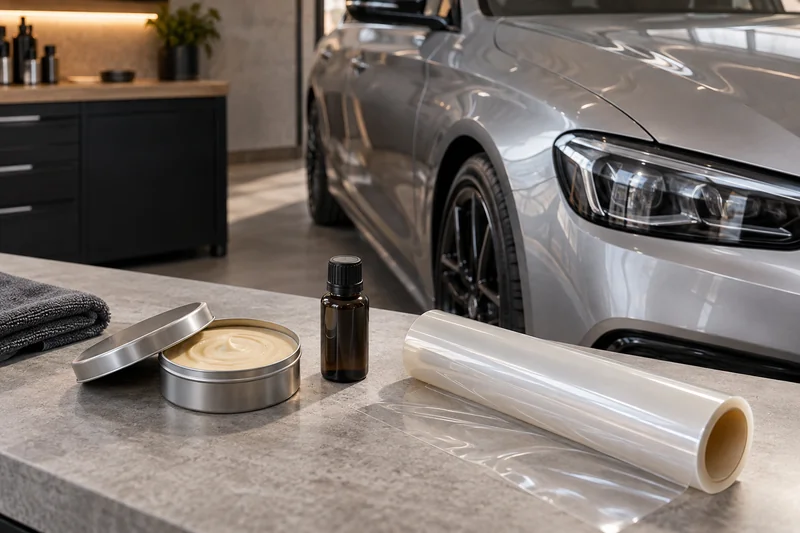
- Confirm the actual film series, SKU, finish and directions on the supplied item. Resolve a changed package or missing instructions before installation.
- Check the vehicle pattern and excluded panels, or measure the bulk-film coverage with a template. Clarify seams and edge treatment with the installer.
- Agree on paint preparation, suitable working conditions and separate washing, waxing and maintenance permissions. Keep the dated directions and warranty paperwork.
- Exclude masking plastic, installation gel, squeegees and wrap detailers from a comparison of films. TapeManBlue Track Tape is explicitly temporary protection, with its own limits.
Choose coverage and an installation route that suit your car. If the exact material, finish permission or aftercare cannot be confirmed, pause that purchase or installation and get the missing information from the film maker or installer.