How to Remove Pet Hair From Car Seats and Carpet

Start with the vacuum you already have. Remove loose dirt and hair from eligible car-seat fabric or carpet, then inspect what remains. Hair resting on the surface calls for a different next step from stiff strands caught in the weave. Stop after vacuuming if the area is clear; a pet-hair tool or liquid cleaner is not an automatic requirement.
This guide covers a dry removal process for compatible upholstery and carpet. The tool examples follow Lilly Brush’s published guidance. Hot Car Care has not performed a timed removal test or tested these tools on your trim. As an Amazon Associate, Hot Car Care earns from qualifying purchases. Shopping buttons open Amazon US searches, not a confirmed item, seller, price or stock listing.
Top 5 best car pet hair removal tools by use case
These products are ordered for the stated use cases. The list is documentary: it does not report measured performance or rank the whole market. Check the exact formula, surface and received directions before choosing.
How this shortlist is ordered
Order for this page: embedded wiry hair first, then fluffy-hair tools and more material-restricted scraping formats.
How we order these choices- Lilly Brush Mini Blade / Mini Pet Hair DetailerBest for embedded wiry hair on compatible upholstery after vacuuming
- Lilly Brush Brush & CapBest for portable removal of fluffy medium-to-long hair from compatible fabric
- Lilly Brush, full-size BrushBest for medium-to-long fluffy undercoat hair on suitable fabric
- Uproot Cleaner Pro, single toolBest for manual hair collection from permitted non-knitted fabric
- AMV Fur-Zoff Pet Hair RemoverBest for light sweeping on permitted durable fabric and carpet
01Documented task fit
Best for embedded wiry hair on compatible upholstery after vacuuming
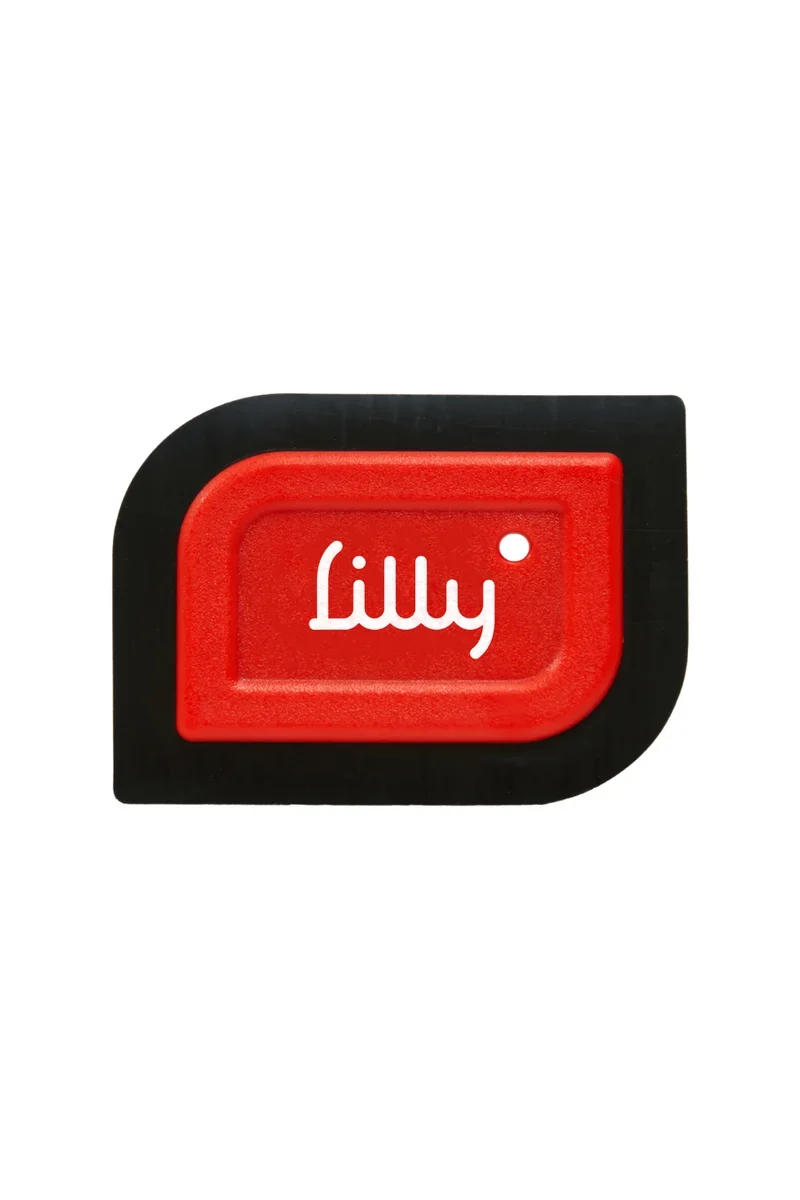
Lilly Brush Mini Blade / Mini Pet Hair Detailer
The Lilly Brush Mini targets wiry hair embedded in compatible upholstery after vacuuming. The manufacturer's old Mini Pet Hair Detailer address redirects to Mini Blade. That resolves the source name, not the identity, pack or accessories of every old-name Amazon result.
Why this position: First for embedded wiry hair remaining after vacuuming, the guide's specific problem. The current Mini Blade source resolves naming but does not verify every older-name offer.
Check before choosing: The old Mini address redirects to Mini Blade; match the actual product, material, pack and included accessories rather than assuming every old-name listing matches.
02Documented task fit
Best for portable removal of fluffy medium-to-long hair from compatible fabric
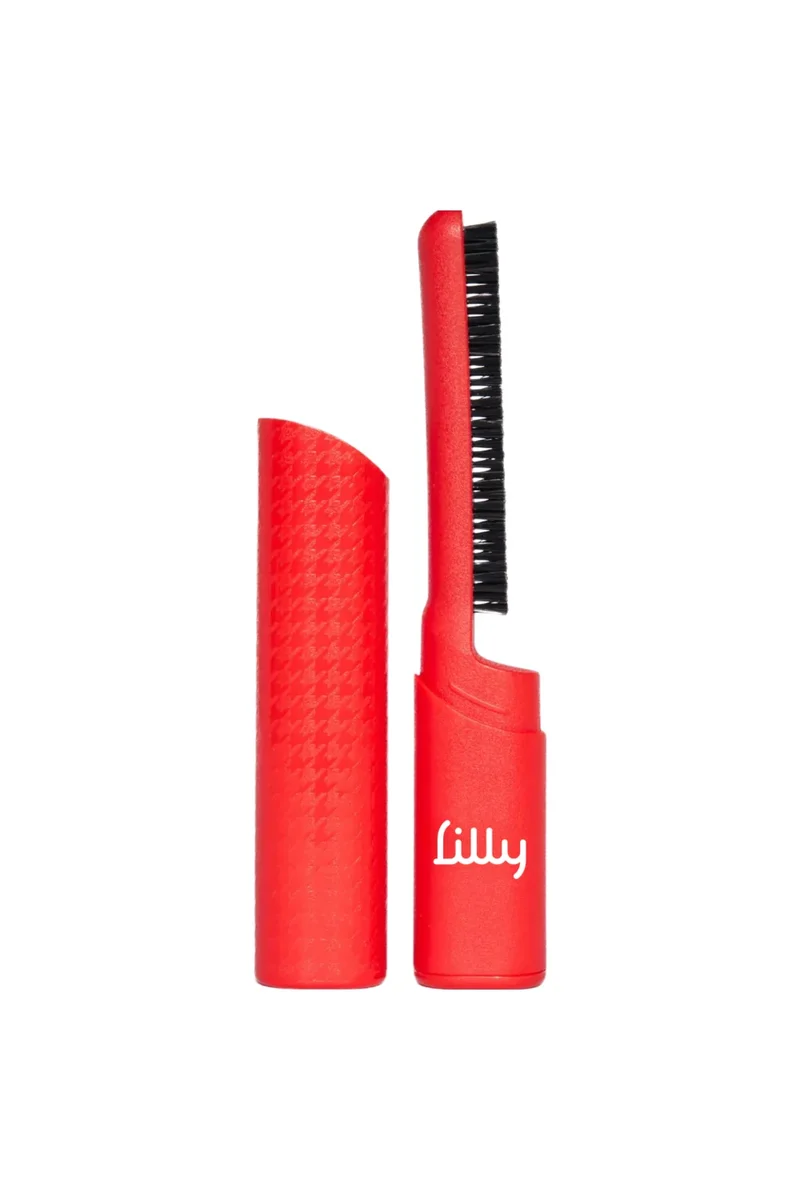
Lilly Brush Brush & Cap
Lilly Brush identifies Brush & Cap for soft undercoat hair and lint on clothing, car seats and other fabrics. It is a distinct bristled, capped tool from Mini Blade's embedded-wiry-hair task, so the hair type guides the choice.
Why this position: Second for fluffy medium-to-long hair when a portable capped brush is useful. This different hair-and-carry scenario follows the embedded-wiry-hair reference, without a speed claim.
Check before choosing: Match the upholstery's care rules instead of treating a broad fabric claim as permission for every seat. The manufacturer directs light-soap-and-water cleaning and thorough drying before the cover is replaced; no removal-speed advantage was measured here.

03Documented task fit
Best for medium-to-long fluffy undercoat hair on suitable fabric
Lilly Brush, full-size Brush
The current separate Brush model measures 9.5 × 3 × 1.4 inches and targets fluffy undercoat hair; it is distinct from Brush & Cap and Mini Blade.
Why this position: Third for the separate full-size fluffy-undercoat brush. Its larger identified geometry distinguishes it from Brush & Cap; it is not asserted to be a renamed Big Lilly.
Check before choosing: The maker directs short, wiry hair to its rubber-blade tools. Confirm the seat fabric and hair type rather than treating every hair remover as interchangeable.

04Documented task fit
Best for manual hair collection from permitted non-knitted fabric
Uproot Cleaner Pro, single tool
Uproot identifies Cleaner Pro as its manual hair-removal tool for non-knitted fabric, with a single-tool offer distinct from the multipacks.
Why this position: Fourth for permitted non-knitted fabric after checking the contact area. The knitted/delicate exclusions make its manual edge a more conditional upholstery choice.
Check before choosing: The manufacturer excludes knitted and delicate fabrics. Check an inconspicuous area and avoid assuming that a scraping edge suits every seat, trim or weave.

05Documented task fit
Best for light sweeping on permitted durable fabric and carpet
AMV Fur-Zoff Pet Hair Remover
AMV identifies Fur-Zoff as a rigid, textured manual tool for lifting hair from cloth seats, carpets and other fabrics.
Why this position: Fifth for durable cloth or carpet that permits an abrasive tool. Explicit leather and delicate-fabric exclusions give it the narrowest contact role in this shortlist.
Check before choosing: AMV calls it abrasive and excludes delicate fabrics and leather. Choose it only after checking the upholstery; it is not a general trim or leather-cleaning tool.
Identify the Surface Before Choosing a Tool

Find the vehicle’s material-specific care instructions before rubbing the surface. Ordinary woven upholstery and carpet are the scope here only when their care rules permit the intended tool. A material that looks like cloth may have a different finish or care requirement.
Do not extend this process to:
- leather;
- a headliner;
- seat belts;
- a child safety seat.
Those items require their own applicable instructions. Hold the rubbing step if the material is unknown, already damaged or restricted by its care rules. A stronger tool does not resolve that uncertainty.
Observe a small area after vacuuming. Loose hair moves into the nozzle; embedded hair remains caught among the fibers. Soft fluff lying against the surface may need a bristle tool rather than the compact rubber blade discussed below. This observation chooses a next action; it does not identify the fabric or prove a tool safe.
Vacuum Loose Dirt and Hair First

Use an attachment permitted for the surface and follow the vacuum’s instructions. Work the accessible fabric and carpet, then inspect the same small area. If the remaining problem is dirt or a stain rather than hair, treat it as a separate cleaning task.
Lilly Brush’s vehicle-kit guidance begins with vacuuming loose dirt. After that pass, inspect the fabric. If no visible hair remains, leave the blade off your shopping list.
Use a Named Tool’s Dry Removal Sequence

The sequence below follows Lilly Brush’s vehicle guidance for its Pro Pet Hair tool kit, now represented by the separate Blade Kit product. It does not establish that the Mini contains the kit’s larger detailer or crevice tool.
- Confirm the surface and tool. Use the kit only on material whose care instructions permit it. Begin in a small, inconspicuous area so you can compare the fabric before and after the pass.
- Start with the vacuum pass above. Clear loose dirt before working the remaining embedded hair.
- Pull the kit’s detailer toward you. The manufacturer specifies short strokes with light downward pressure for this vehicle-kit routine. Do not substitute forceful scraping when hair stays behind.
- Use the kit’s crevice tool only where it fits. The manufacturer assigns it to narrow spaces. Do not force a wide blade into a gap or treat the Mini as a supplied crevice accessory.
- Collect the released hair and inspect. Remove the gathered hair with the vacuum or pick up the pile, then compare the area with the untouched fabric. Continue only while the tool releases hair without a visible texture change.
- Keep the working edge clean. Lilly’s vehicle FAQ calls for occasionally wiping dust from the tools with a damp cloth. Cleaning a tool is separate from wetting the upholstery.
If you own a different remover, use that product’s applicable vehicle directions. The Mini’s short, quick strokes from varying directions appear in Lilly’s clothing FAQ; this guide does not transfer that clothing instruction to car seats. The compact Mini remains an option to assess for embedded hair, rather than a mandatory purchase or a substitute name for the kit.
Read Lilly Brush’s vehicle and tool FAQ
Match the Next Action to the Hair That Remains

| Observed condition | Material and tool check | Next action | When to stop |
|---|---|---|---|
| Loose hair comes away with the vacuum | Use the surface-permitted attachment you already have. | Collect the hair and inspect the area. No additional tool is needed if it is clear. | Stop when the hair is removed, rather than adding a product by default. |
| Short or medium wiry hair stays caught in eligible fabric | Lilly positions rubber blades for embedded hair. Confirm the actual remover and its vehicle directions. | Use the applicable blade routine; the kit sequence above includes its own short-stroke, light-pressure instruction. | Stop if the edge catches fabric, the texture changes or more pressure seems necessary. |
| Soft undercoat clings on top of the fabric | Lilly’s Brush & Cap page targets fluffy, clingy medium-to-long hair and includes car seats among its uses. | Consider a suitable bristle remover. Check its surface-specific directions rather than using a blade solely because it is smaller. | Hold use when material suitability is unresolved; do not assume the brush removes every hair type. |
| Material is unknown, delicate or already damaged | The surface has not passed the care check. | Obtain its applicable care instructions before rubbing or wetting it. | Stop the general process here. A tool’s broad fabric claim does not resolve the missing material information. |
Tools to Consider Only If the Vacuum Pass Leaves a Job

Check the Result Before Adding a Cleaner

Compare the treated patch with the adjacent fabric after collecting the loosened hair. A clear patch with unchanged texture supports continuing the same permitted method. Visible snagging, lifted fibers or a change in texture means stop; repeating the stroke harder is not a remedy established by these instructions.
Hair removal does not itself require shampoo, fragrance or a wet mixture. If a stain remains, identify that separate problem and use a cleaner approved for the actual surface. For a remaining carpet-cleaning job, compare cleaners for the remaining carpet task. For eligible seat fabric, use the interior-cleaner material and task checks. This dry process does not establish a fabric-softener, steam or pumice recipe.
If the remaining cleaning task is a removable mat, clean the removable mat after clearing loose hair using the method for its surface and backing.
Questions Before Removing Pet Hair
Does Vacuuming Remove All Pet Hair?
It can complete the job when the hair is loose and the inspected area is clear. Hair still caught in the weave may require an appropriate remover. There is no supported percentage of hair removed or guaranteed number of passes in this guide.
Can I Use One Tool for Every Hair Type?
Choose by what remains. Lilly distinguishes embedded, wiry hair from soft clinging undercoat; those are different tool roles. Hair length alone is not a complete fit check, and an unclear result is not proof that a more aggressive stroke is needed.
Do I Need a Liquid Cleaner Afterward?
Only if a separate cleaning problem remains and the material permits the selected cleaner. A pile of released hair needs collection, not automatically a chemical treatment.
Can I Use This Method on a Leather Seat or Headliner?
This guide does not establish those uses. Use the applicable material and vehicle instructions instead; do not treat a broad statement about fabrics as approval for leather or delicate overhead trim.
Sources and Method
Hot Car Care reviewed Lilly Brush’s product descriptions, vehicle FAQ and car-detailing collection on October 12, 2026. These are manufacturer directions and intended-use statements, not independent removal, abrasion or durability measurements. The vehicle-kit procedure and compact-tool selection retain their separate scopes.
Check Mini Blade specifications and tool care Check the separate Blade Kit configuration Check Brush & Cap’s hair-type scope Check Lilly’s car-detailing collection