Meguiar’s Ultimate Compound Review: When Paint Correction Is the Right Job

Meguiar’s Ultimate Compound G17216 is a paint-correction candidate for an identified defect on an approved glossy finish. Its purpose is to address defects in the paint surface before protection. If a mark might still be dirt or residue, establish the cleaning job first. Buying a compound does not establish that a scratch can be removed safely.
This is a research-based review of product identity, manufacturer-described uses and application limits. It contains no hands-on scratch-removal test, gloss measurement or estimate of how much paint a particular application removes. Amazon links may earn a commission if you buy through them.
Top 5 best paint compound and finishing polish options by use case
These products are ordered for the stated use cases. The list is documentary: it does not report measured performance or rank the whole market. Check the exact formula, surface and received directions before choosing.
How this shortlist is ordered
Order for this page: the diagnosed correction job before refinement, then professional or machine-dependent alternatives.
How we order these choices- Meguiar's Ultimate Compound G17216, 15.2 ozBest for an identified correction job on permitted glossy paint
- Meguiar's Ultimate Polish G19216, 16 ozBest for a fine finishing step before wax on permitted glossy paint
- Meguiar's M105 Ultra-Cut Compound M10508, 8 ozBest for a documented cutting-compound route on permitted glossy paint
- Meguiar's M205 Ultra Finishing Polish M20508, 8 ozBest for a finishing-polish step after a correction decision
- 3D ONE Hybrid Compound & Polish, 16 ozBest for a machine-based compound/polish route with a deliberate pad choice

01Documented task fit
Best for an identified correction job on permitted glossy paint
Meguiar's Ultimate Compound G17216, 15.2 oz
Ultimate Compound G17216 addresses an identified defect on an approved glossy finish before protection. Establish whether the mark is dirt or residue first; buying a compound does not establish that a scratch can be removed safely.
Why this position: First for the identified glossy-paint correction question covered by the comparison. A defect diagnosis comes first; this position is not permission to abrade an unknown mark.
Check before choosing: Diagnose residue and the finish before correcting; this is not protection or proof that a deep scratch can be removed safely.
More product photos


02Documented task fit
Best for a fine finishing step before wax on permitted glossy paint
Meguiar's Ultimate Polish G19216, 16 oz
Ultimate Polish G19216 serves a fine finishing step before wax on permitted glossy paint. Start with that job and the paint's care instructions. If clean paint already meets the goal, polishing is not an automatic improvement.
Why this position: Second when the actual requirement is fine finishing before protection. Its refinement role follows the correction decision, while acceptable clean paint may need neither product.
Check before choosing: Do not automatically add correction when clean paint already meets the goal; a finishing polish is not a protective wax.
More product photos


03Documented task fit
Best for a documented cutting-compound route on permitted glossy paint
Meguiar's M105 Ultra-Cut Compound M10508, 8 oz
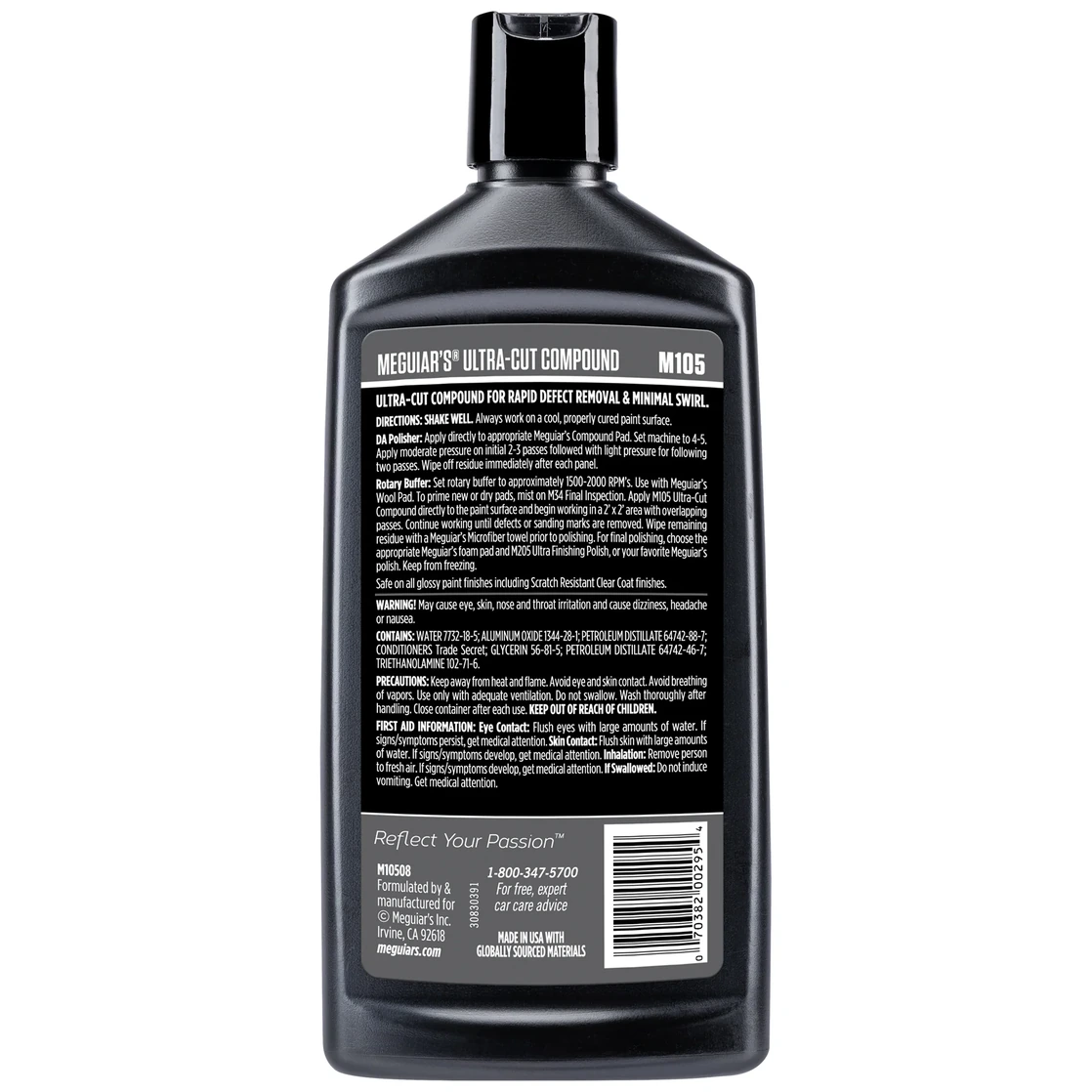
M10508 is the 8 oz professional cutting compound. Meguiar's lists hand, dual-action and rotary application for glossy paint and clear coats; the chosen tool and pad remain part of the buying decision.
Why this position: Third as the separately identified professional cutting compound. It enters only for a matching correction and equipment plan, not because stronger cutting is automatically preferable.
Check before choosing: It is a correction product, not protection or a universal scratch repair. Match the finish, full label and suitable equipment; its cutting role does not make it preferable to a finishing polish for an already acceptable surface.
More product photos
04Documented task fit
Best for a finishing-polish step after a correction decision
Meguiar's M205 Ultra Finishing Polish M20508, 8 oz
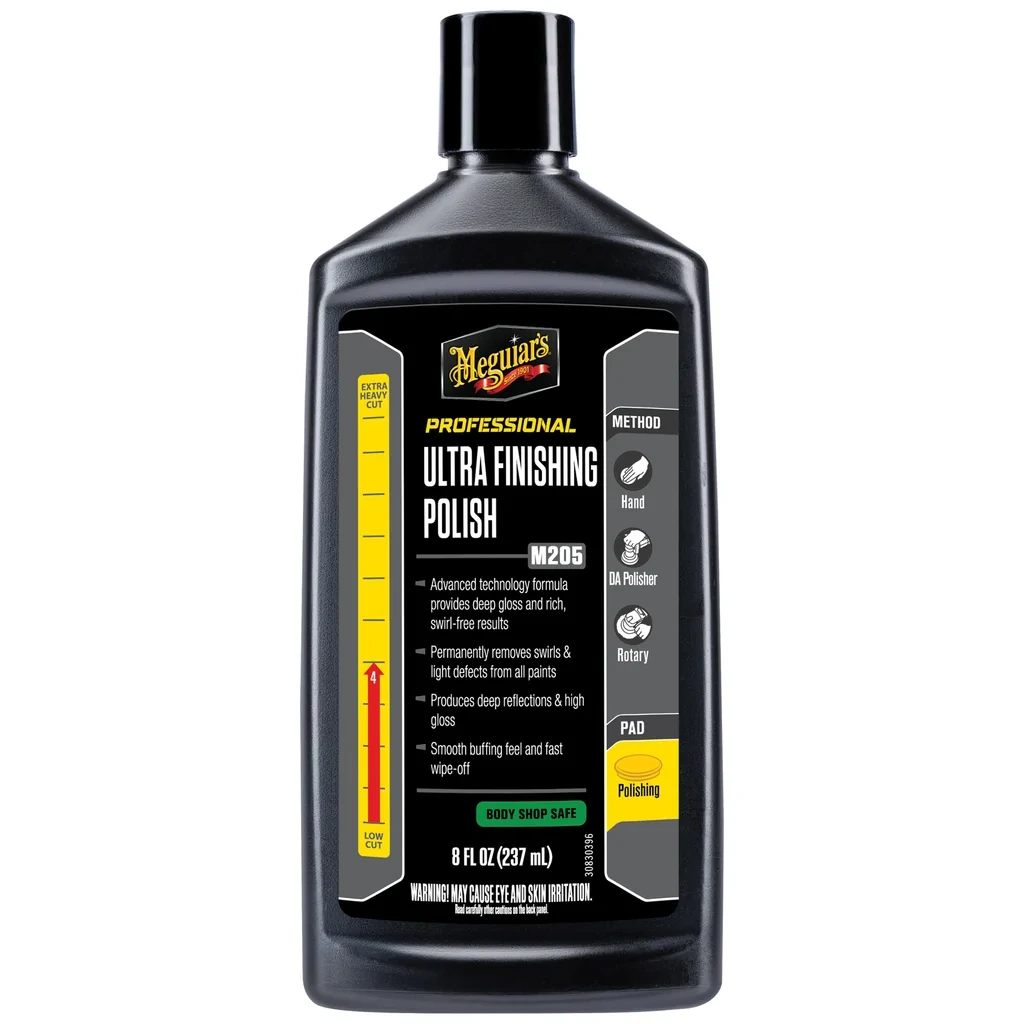
Meguiar's identifies M20508 as the 8 oz Ultra Finishing Polish. Its stated finishing role offers a different purchase from M105 cutting compound when refinement is the actual job.
Why this position: Fourth for the professional finishing role after a justified correction decision. This is a role alternative, not an instruction to buy it together with M105.
Check before choosing: A finishing-polish name does not establish that a deep defect is removable or that both bottles are needed. Check the approved finish, pad and complete application directions; no measured gloss ranking is reported here.
More product photos


05Documented task fit
Best for a machine-based compound/polish route with a deliberate pad choice
3D ONE Hybrid Compound & Polish, 16 oz
3D lists ONE as a combined cutting and finishing product, with a 16 oz option. Its description distinguishes rotary cutting from a softer-pad dual-action finishing setup, so the equipment plan matters as much as the bottle.
Why this position: Fifth for the machine-based combined compound/polish route. Its pad and rotary-versus-dual-action decisions add equipment conditions rather than a verified one-pass advantage.
Check before choosing: The combined role does not guarantee a one-pass result on your paint or remove the need to inspect the finish. Use the matching label, pad and machine guidance; no time-saving or correction advantage has been measured by Hot Car Care.
Is the remaining mark a correction job?
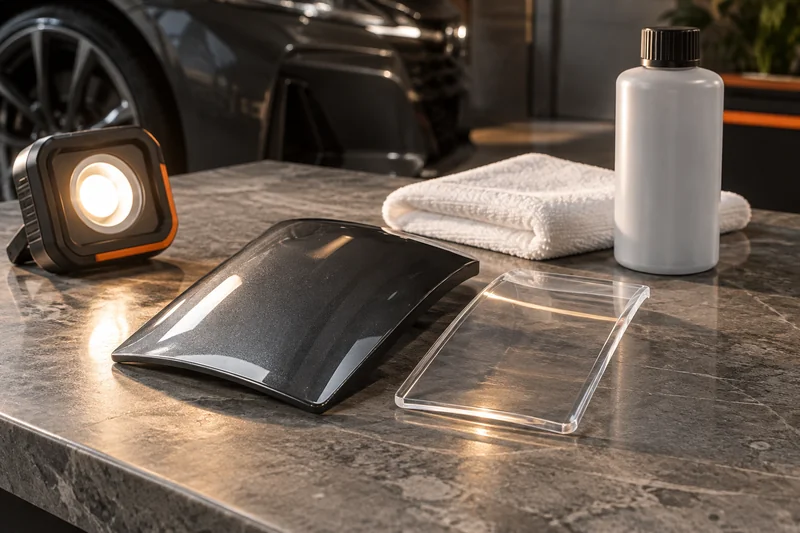
Inspect the panel after the cleaning method approved for that surface. Meguiar’s US FAQ separates rough contamination from swirls, oxidation and stains when preparing paint for wax. That distinction helps select the next operation; it is not a diagnosis of an unexplained mark on your car. Meguiar’s paint-preparation FAQ.
For a finish that already looks acceptable, go to the wax and paint-protection guide. A correction product is not required just because protection needs renewing. If the choice is between correction and a finer finishing step, use the Ultimate Compound versus Ultimate Polish comparison; that page owns the two-product decision.
Use the condition of the cleaned finish to choose the job. These branches distinguish correction, fine finishing and protection; they do not diagnose damage or predict removal. US G19216 finishing information.
| Scenario | What is established | What remains to check | Selection outcome |
|---|---|---|---|
| Ordinary dirt or removable residue | A cleaning job comes before a correction decision. | The finish-approved wash and the condition after cleaning. | Skip G17216 for now; wash and inspect. |
| An identified below-surface defect on glossy paint | G17216 has a manufacturer-described correction role. | Permission for the actual finish, matching directions and the small-area result. | Consider G17216 only when those checks support the task. |
| Fine swirls or towel marks before waxing | Ultimate Polish G19216 has a separate fine-finishing and pre-wax role. | Whether that role and its directions fit the permitted task. | Compare the finishing option before choosing a compound. |
| Acceptable clean paint that needs protection | Protection is a separate job. | The chosen protectant’s preparation and finish compatibility. | Skip correction if no correction need remains. |
| Unknown film, uncertain finish or visible damage | Suitability for abrasive treatment is not established. | The applicable finish instructions or an assessment of the damage. | Defer the abrasive purchase and application. |
What G17216 is designed to do

The US manufacturer page identifies Ultimate Compound G17216 as a 15.2 oz product. It describes a micro-abrasive formula for below-surface defects and names these defects within its intended work:
- scratches;
- swirls;
- oxidation;
- water spots.
Clear coats and glossy paints are the stated paint scope. These are manufacturer claims, not measured results from this site. US G17216 product information.
The official Australian page identifies the same G17216 code with a 450 ml package and supports hand or dual-action application. Use the exact name, code and received label to check the US listing. Do not substitute a similarly named cleaner wax, professional compound or a kit containing a different bottle. G17216 regional manufacturer information.
The checks that come before an application
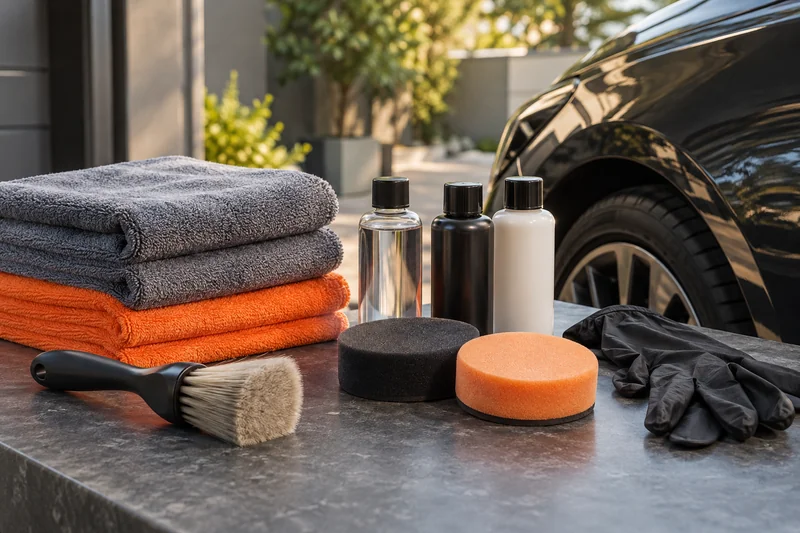
Identify the finish and review its care restrictions before choosing an applicator. A glossy-paint claim does not establish permission for an installed film, a ceramic coating or an uncertain repaint. For those finishes, obtain the applicable instructions from the vehicle maker, finish maker or installer rather than borrowing a process from an ordinary painted panel.
Pause a DIY correction decision when the finish is peeling, flaking or visibly damaged, or when you cannot identify what the mark is. A product-page photograph cannot establish repair history, remaining coating thickness or the depth of your scratch. Have the affected finish assessed before selecting an abrasive treatment.
Hand application, a DA polisher and a test area
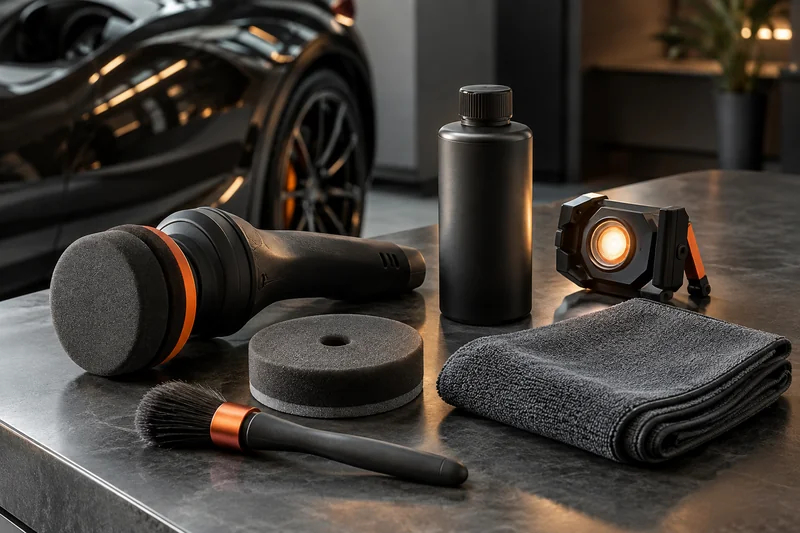
The US product page permits application by hand or a dual-action polisher. That gives a method choice, not proof that both methods will achieve the same result on your panel. A rotary machine, a drill attachment and an unrelated pad are not interchangeable with the stated DA method.
Meguiar’s G172 technical bulletin, dated May 2011, describes a cool, clean surface in the shade. Its hand method uses a small amount on a foam applicator and removal of excess as each area is worked. Its DA method uses a clean polishing pad, overlapping passes and removal before the compound dries. The dated document provides supporting context. Follow the matching current bottle and equipment instructions for the application. Dated G172 technical bulletin.
- Confirm the product, finish permission and the instructions for the applicator or DA system you intend to use.
- Prepare a small test area on the approved surface using the matching directions, including their removal instructions.
- Inspect the cleaned result before extending the process to the rest of the panel.
Stop and resolve the cause if the result is unclear, residue is difficult to remove or the appearance becomes worse. Do not turn an unsuccessful test into an instruction for more pressure, a harsher pad or repeated passes. This review supplies no universal machine speed, sanding-grit equivalence or number of correction cycles.
Choose the next step from the result
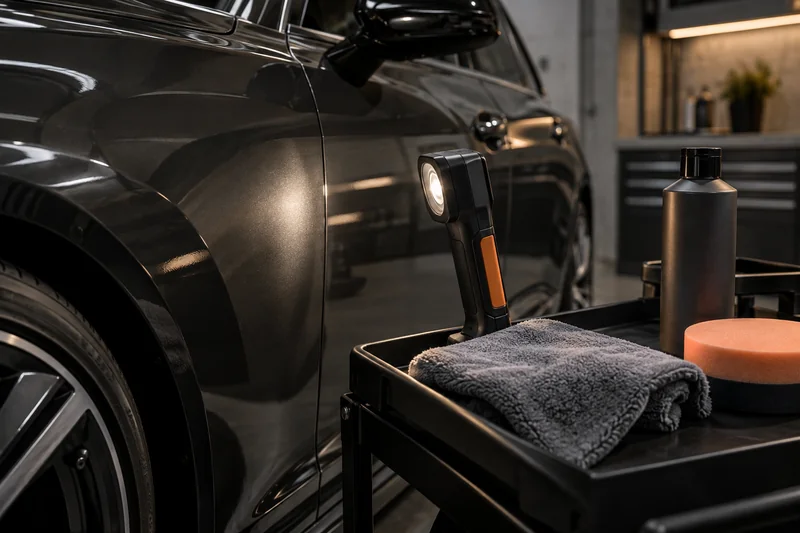
Evaluate the finish after removing the compound as directed. A visible change is not a measurement of remaining paint or a guarantee that every defect can be removed. If the finish now meets your goal, select compatible protection using its own preparation instructions. If fine marks still warrant a permitted finishing operation, assess that separate need before adding Ultimate Polish.
Do not treat the compound’s gloss claims as an established protection interval. Meguiar’s regional information puts a polish or wax after correction; the choice still depends on the finish and the intended next operation. A new protective coating may have a preparation system that differs from a wax workflow.
Best for a confirmed correction task: G17216
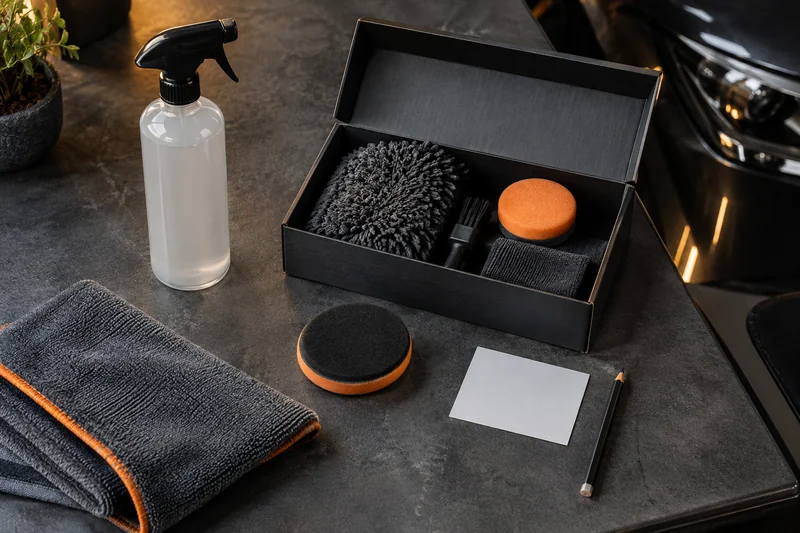
Consider Ultimate Compound when an identified defect falls within its stated glossy-paint work and that finish permits the process. Skip the purchase while the material or damage remains unknown. Check the G17216 code, bottle size, included supplies and seller before ordering; the button opens a search rather than a verified offer.
Questions before buying or using Ultimate Compound
Does Ultimate Compound replace wax?
No protective duration is established by the correction claims reviewed here. Decide whether the finish needs correction first, then choose an approved protectant and follow its preparation method. Compound and finishing wax answer different purchase decisions.
Can I use it without buying a polisher?
Hand application is a manufacturer-listed method. Confirm that you have the appropriate applicator and removal towels, and assess a small area before committing to the whole car. The hand-use claim does not predict the effort or defect removal on your paint.
Will it remove a scratch that catches a fingernail?
This review provides no scratch-depth threshold or guarantee based on that check. A fingernail observation does not establish remaining paint or a permitted repair. Have an uncertain or substantial defect assessed rather than using the product’s scratch-removal wording as clearance to proceed.
Does glossy-paint approval include a matte finish?
No. The verified product scope is glossy paint. Use the care instructions for the actual matte, satin or film finish; do not infer approval from the vehicle’s color or a familiar brand name.
Sources and review scope
Sources were checked on October 10, 2026. Direct retrieval of the US product and FAQ pages timed out; their official indexed text was available, with crawl ages of about one week and three days. The Australian product page and dated technical bulletin were retrieved. Current bottle instructions take priority over dated guidance. No current Amazon price, stock, seller or selected package was verified.
Product references and task details